
SANANGA - THE PLANT OF THE HEALTHY EYES
🌿 Sananga – Botanical & Functional Summary
Sananga eye drops comes from the roots of Tabernaemontana undulata, a small shrub of the Apocynaceae family, native to the Amazon rainforest.
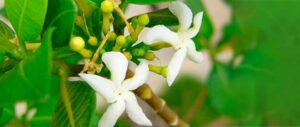
It produces white, jasmine-like flowers (similar in shape to jasmine, but without fragrance) and contains a rich profile of indole alkaloids typical of this botanical family.
Main Active Compounds (Indole Alkaloids)
Sananga contains several naturally occurring alkaloids, including:
Voacangine
Coronaridine
Tabernaemontanine
Apparicine, heyneanine, undulatine (minor alkaloids)
These compounds are known for potential biological activities such as antioxidant, anti-inflammatory, and vascular effects — although current scientific studies are still limited.
🌿 Why It Is Traditionally Used for the Eyes
Indigenous Amazonian communities use Sananga as an eye drop to improve clarity of vision, support the eyes during hunting, and relieve tired or irritated eyes.
Increased micro-circulation caused by temporary vasodilation from the alkaloids
Natural tear stimulation, helping to clean the eye surface
Anti-inflammatory and antimicrobial potential (based on phytochemistry of the plant)
Neurological stimulation, creating a sensation of sharper focus and visual awareness
🌿 Which part of the plant is used to make Sananga?
Sananga is not an oil, but a water-based extract traditionally prepared by Amazonian tribes. It is made primarily from the roots of Tabernaemontana undulata or Tabernaemontana sananho.
The roots are grated or pounded while fresh and then macerated in water, producing the well-known brown liquid used for eye drops, nasal drops, or oral micro-doses.
While some traditions also include a small amount of root bark, the roots are considered the most potent part, because they contain the highest concentration of indole alkaloids.
These active molecules contribute to Sananga’s effects on vision clarity, ocular circulation, mental focus, energy cleansing, and emotional release.
The extract is never oily, and there is no use of essential oils or lipophilic carriers.
Its potency comes entirely from the alkaloid-rich root juice, diluted and filtered according to traditional methods.

Sananga is a traditional Amazonian remedy made from the roots and bark of Tabernaemontana undulata, a sacred shrub used by Indigenous tribes such as the Kaxinawá (Huni Kuin) in Brazil and Peru.
It is prepared as an ocular drop, oral tincture, or sometimes nasal drops, traditionally used to:
purify vision and eyes (helps for miopia, cataract and glaucoma)
enhance sensory perception
improve focus and clarity
support emotional cleansing
SANANGA – Structured Guidelines
General Rule
Best taken in the morning on an empty stomach.
Otherwise, take far from meals (at least 1 hour after eating).
Each method of use requires its own dedicated bottle.
Methods of Use
Ocular use: 1 drop per eye, once daily.
Oral use: 5 drops in 100 ml of high-quality natural water in a glass bottle, every other day.
Nasal (optional): 1 drop per nostril for a revitalizing effect (especially beneficial for older adults).
Substances to Avoid during intake
Avoid all caffeine and theine: no coffee, black tea, green tea, matcha.
Do not combine Sananga with other supplements, except:
vitamins
magnesium
Storage
Keep all bottles in the refrigerator.
Shake them 2–3 times per week, even if not in use.
Store away from direct light.
Each bottle is strictly personal.
Ocular Application – Correct Procedure
Wash hands thoroughly.
Ensure the face is free of makeup.
Lie down with eyes closed.
Apply 1 drop in each eye, aiming for the ocular canal
(best if done by another person).Keep eyes closed and blink rapidly to distribute the liquid.
Once the burning begins, keep the eyes closed.
Stay lying down and relaxed until the burning subsides
→ the burning is normal and decreases gradually.Leave at least 6 hours before any further application.
Oral Use
Frequency: every other day.
Dose: 5 drops in 100 ml of high-quality natural water, preferably in a glass bottle.
Timing:
morning on an empty stomach, or
at least 1 hour after meals.
Never take more than once per day.
Traditional reported effects:
digestive support
traditional antitumoral use
support for addictions and compulsive hunger
Nasal Use
1 drop per nostril.
Provides a revitalizing effect on body and mind, especially helpful for older adults.
Requires a dedicated bottle.
Reported Benefits of Ocular Use
support for:
myopia
glaucoma
non-operated cataracts
Post-Surgery Guidelines
LASIK / excimer laser: ocular Sananga allowed.
Cataract surgery: ocular Sananga not allowed (oral and/or nasal only).
Recommended number of Bottles per Person
The treatment is complete with the use of 2 or 3 bottles:
1 bottle for daily ocular use
1 bottle for nasal use (optional)
1 bottle for oral use
🌿 Summary
Take in the morning, empty stomach
Avoid caffeine
buy 3 bottles: eyes – nose – oral
Eyes: 1 drop per eye daily
Oral: 5 drops in water every 2 days
Nose: 1 drop per nostril every day (optional)
Store in fridge
Burning in the eyes is normal
Do NOT use after cataract surgery
HOW TO BUY
To purchase fresh Sananga made with Kangen ionized water, you can email me at: giulialivingwater@gmail.com
